

Introduction
Aging is a natural part of life, and approaching it with confidence can have a meaningful impact on overall well-being and quality of life. While each person’s experience is unique, many individuals seek ways to maintain independence, stay active, and continue pursuing the activities and relationships that bring them fulfillment. Confidence in the aging process often comes from preparation, engagement, and a commitment to personal wellness.
Supporting aging with confidence involves more than addressing physical needs. It includes fostering social connections, encouraging lifelong learning, maintaining a sense of purpose, and creating environments that promote independence and dignity. By focusing on several key strategies, individuals and their support networks can help create a positive and empowering approach to aging.
Prioritize Physical Health and Wellness
One of the most important ways to support aging with confidence is to focus on physical health. Maintaining an active lifestyle can help individuals preserve mobility, strength, and overall well-being as they grow older.
Regular movement can take many forms depending on personal preferences and abilities. Walking, stretching, swimming, fitness classes, and recreational activities all provide opportunities to remain active. Consistency is often more important than intensity, making it beneficial to find enjoyable activities that can become part of a long-term routine.
Nutrition also plays an important role in healthy aging. Balanced meals, proper hydration, and attention to overall wellness habits can contribute to energy levels and daily comfort. Combined with appropriate healthcare and preventive wellness practices, these habits help support long-term physical well-being.
When individuals feel physically capable and active, they often experience greater confidence in their ability to navigate daily life independently.
Maintain Meaningful Social Connections
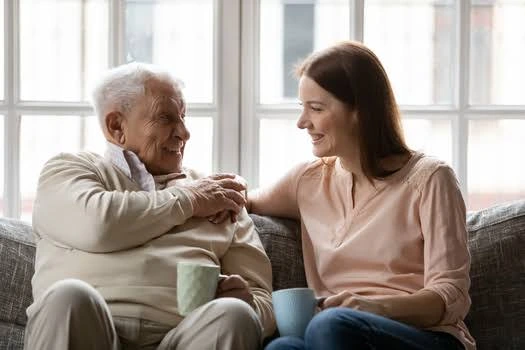
Strong social relationships can significantly influence emotional well-being and overall life satisfaction. Family members, friends, neighbors, and community groups all contribute to a support network that encourages engagement and connection.
Social interaction helps reduce feelings of isolation and provides opportunities for shared experiences, conversation, and emotional support. Maintaining regular contact with others can create a stronger sense of belonging and contribute positively to overall confidence.
Many older adults benefit from participating in organized activities, clubs, volunteer programs, or community events. These opportunities allow individuals to build new relationships while maintaining existing ones.
Social engagement also supports emotional resilience during life transitions. Knowing that trusted individuals are available for support can make challenges feel more manageable and reinforce feelings of security and connectedness.
A strong social network remains one of the most valuable resources for aging confidently and maintaining a fulfilling lifestyle.
Embrace Lifelong Learning
Continuing to learn and explore new interests can help individuals stay engaged and inspired throughout life. Learning encourages curiosity, supports personal growth, and provides opportunities for intellectual stimulation.
Educational opportunities can include reading, attending workshops, exploring technology, participating in discussion groups, or developing creative skills. Some individuals enjoy learning about history, art, music, languages, or current events, while others pursue entirely new hobbies later in life.
Lifelong learning contributes to a sense of accomplishment and keeps daily routines dynamic and interesting. It also encourages adaptability, helping individuals feel more comfortable navigating changes and new experiences.
Developing new skills or deepening existing interests allows people to remain engaged with the world around them while reinforcing confidence in their abilities.
A commitment to learning supports both personal fulfillment and long-term engagement in meaningful activities.
Create a Living Environment That Supports Independence
The living environment can have a significant impact on confidence and daily comfort. A safe, accessible, and supportive setting allows individuals to maintain independence while reducing potential obstacles.
Thoughtful home design, organized spaces, adequate lighting, and convenient access to essential resources all contribute to a more comfortable daily experience. Small adjustments can often make a meaningful difference in promoting safety and ease of movement.
Many individuals also explore living arrangements designed to support independence while providing access to services and amenities. Communities such as HeartFields Assisted Living at Easton can offer opportunities for social engagement, wellness programs, and supportive services that help residents maintain active and fulfilling lifestyles.
The goal is to create an environment where individuals feel empowered rather than restricted. When daily living feels manageable and comfortable, confidence often grows naturally.
A supportive living environment helps individuals continue pursuing their interests while maintaining control over their routines.
Cultivate Purpose and Personal Fulfillment
A sense of purpose is an important component of aging with confidence. Individuals who feel connected to meaningful goals and activities often experience greater satisfaction and motivation in daily life.
Purpose can be found in many areas, including family relationships, volunteer work, hobbies, community involvement, mentoring, creative pursuits, or spiritual practices. The specific source of fulfillment varies from person to person, making it important to focus on activities that align with individual values and interests.
Engaging in meaningful activities helps create structure and direction while reinforcing the idea that each stage of life offers opportunities for contribution and growth.
Purpose also encourages continued participation in the community and strengthens feelings of self-worth. Individuals who remain connected to activities they care about often feel more optimistic and engaged.
Supporting personal fulfillment helps create a positive perspective on aging and encourages continued involvement in meaningful experiences.
Plan for the Future While Staying Flexible
Confidence often grows when individuals feel prepared for future changes. Planning ahead can help reduce uncertainty and provide peace of mind regarding important aspects of life, including health, finances, living arrangements, and personal goals.
Effective planning does not mean expecting problems. Instead, it involves considering potential needs and making thoughtful decisions that support long-term well-being. Having a plan in place often allows individuals to feel more secure and in control.
At the same time, flexibility remains important. Life circumstances can evolve, and maintaining an adaptable mindset helps individuals respond positively to new opportunities and challenges.
A balance between preparation and flexibility creates a strong foundation for confidence and resilience. Individuals who approach aging with both planning and openness are often better equipped to navigate transitions successfully.
Support Emotional Well-Being
Emotional health is closely connected to confidence and overall quality of life. Aging often brings changes, accomplishments, and transitions that can affect emotional well-being in different ways.
Supporting emotional wellness may involve maintaining relationships, practicing gratitude, engaging in enjoyable activities, and seeking support when needed. Taking time to recognize achievements and celebrate meaningful milestones can also contribute to a positive outlook.
Mindfulness, relaxation techniques, creative expression, and time spent in nature are additional ways many individuals nurture emotional balance and resilience.
When emotional well-being is prioritized, individuals often feel more capable of managing life’s challenges while remaining focused on opportunities for growth and enjoyment.
A positive emotional foundation helps support confidence, adaptability, and long-term satisfaction throughout the aging process.
Conclusion
Supporting aging with confidence involves a combination of physical wellness, social connection, lifelong learning, independence, purpose, thoughtful planning, and emotional well-being. These strategies work together to create a foundation for a fulfilling and empowered lifestyle. By focusing on strengths, maintaining meaningful engagement, and embracing opportunities for growth, individuals can approach aging with optimism and self-assurance. Confidence in later life is not defined by avoiding change but by adapting to it while continuing to pursue purpose, connection, and personal fulfillment.