
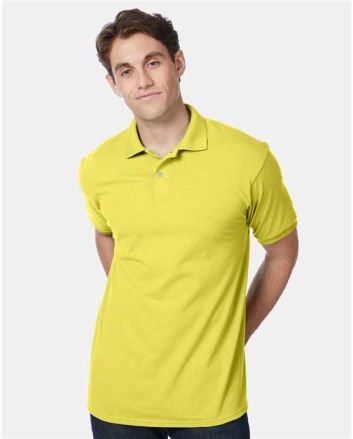

A well-run cafe or service business is judged on small things. The coffee arrives hot, the table is clean, and the person who greets you looks organized. Staff clothing quietly supports all of that. When a team looks tidy and consistent, customers read it as care, even if they never think about why.
Yet staff apparel is often handled as an afterthought. Someone orders a stack of shirts in a hurry, sizes run out, and by the time winter arrives the team is wearing mismatched sweaters over the uniform. A little planning avoids that mess.
This guide covers how to think about staff clothing across the year, with a focus on two practical pieces: the polo shirt and the bomber jacket.
Start With the Job, Not the Garment
Before choosing any item, it helps to picture what a normal shift looks like. The right clothing depends on what people actually do all day.
Map Where Your Team Works
A server who moves between a warm kitchen and a cool patio has different needs from a receptionist who stays at one desk. Make a quick list of the environments your team works in: indoors, outdoors, near heat, near air conditioning, or a mix. Those conditions shape fabric, weight, and the need for an extra layer.
Think About Comfort Over a Full Shift
A garment that feels fine for ten minutes can feel miserable after eight hours. Breathability matters for people who are constantly moving. Stretch and ease of movement matter for anyone who reaches, bends, or lifts. If staff are uncomfortable, they tend to fidget, adjust, or swap clothing on their own, which undermines the consistent look you were aiming for.
The Polo as the Core of the Uniform
For many service businesses, the polo is the natural foundation. It looks neater than a T-shirt, yet it stays practical and easy to wear.
Why the Polo Suits Service Roles
A polo has a collar, which gives it a more finished appearance without requiring ironing every morning. The fabric usually handles repeated washing well, and the cut works across a wide range of body types. Short sleeves keep things cool in warm environments, while long-sleeved versions are available for cooler ones.
Solid colors are generally the safest choice. They look professional, hide the occasional mark better than very pale shades, and pair easily with whatever outer layer you add later.
Planning Quantities and Sizing
Staff rarely wear the same shirt every day, so one polo per person is not enough. Most teams need a few per employee, so one can be washed while another is worn. Orders get larger quickly, and many businesses find it simpler to source polos in bulk rather than topping up a few shirts at a time, since it keeps color, fabric, and sizing consistent across the whole team.
A few points are worth settling before you order. Collect size information from every team member, and allow for a range rather than guessing. Think about staff turnover, since new hires will need uniforms too. And if you plan to add a logo, confirm the placement and decoration method so the fabric suits it.
Adding an Outer Layer for Cooler Shifts
Polos handle the warm months well, but cooler weather creates a problem. Staff either shiver in their shirts or pull on personal jackets that clash with the uniform. A shared outer layer solves both issues.
Why a Bomber Works for Staff
The bomber jacket suits working environments better than many alternatives. Its waist-length cut stays out of the way when someone is reaching, carrying, or moving between tables. The ribbed cuffs and hem hold warmth without the bulk of a long coat, and the front zip makes it quick to put on or take off as the temperature changes.
It also looks neat over a polo. The collar can sit just above the jacket’s neckline, so the uniform still reads as one coordinated outfit rather than a shirt with something thrown over it.
Black as the Practical Colour
Color matters even more for outerwear, since a jacket is worn over many different shirts and handled constantly. Black is forgiving. It hides dust, small marks, and everyday wear, and it works with almost any polo shade you might choose. Businesses that need to equip a larger team often look at wholesale Black Bomber Jackets because ordering together keeps the shade, fit, and finish uniform, which is harder to achieve when buying jackets one at a time.
When planning outerwear, remember that not every employee needs one. Staff who work mostly indoors may only need a jacket for arriving and leaving, while outdoor roles may need one throughout the shift. Counting actual need avoids over-ordering.
Keeping the Look Consistent
Buying the clothing is only half the task. Keeping it looking sharp is where many businesses slip.
Branding Options
A small logo on the chest of the polo or the sleeve of the jacket adds identity without overwhelming the garment. Simple placement tends to age better than large graphics, which can crack or fade with repeated washing. If branding is part of the plan, ask about fabric compatibility with embroidery or printing before you commit.
Care and Replacement
Give staff clear, simple care instructions. Washing polos inside out on a gentle cycle and avoiding very high dryer heat helps them last longer. Jackets should be zipped before washing and hung to dry so the ribbed trims keep their stretch.
Decide in advance how worn items will be replaced. A small reserve stock of common sizes lets you swap out a stained or damaged piece quickly, so no one is left in a mismatched outfit while waiting for a reorder.
Common Mistakes to Avoid
Even careful planners fall into a few traps. Watch for these:
- Ordering too few pieces per person. Staff need spares for laundry days.
- Ignoring size variety. A narrow size range leads to ill-fitting uniforms.
- Choosing style over comfort. A sharp garment that irritates someone for eight hours will not stay sharp.
- Forgetting seasonal layers. Without an official jacket, staff improvise.
- Skipping a reserve stock. Replacements arrive slowly when you are caught short.
Conclusion: Small Decisions That Shape a Big Impression
Staff apparel does not need to be complicated. It needs to be comfortable, consistent, and easy to maintain. Polos give a team a clean foundation that works in most conditions, and a dark bomber gives everyone a shared layer when the weather turns.
The real secret is planning before the need arises. Look at how your team works, count how many pieces each person actually needs, and settle the details of fit, color, and care early. Do that, and your team will look organized in every season, which is exactly the impression customers remember.