
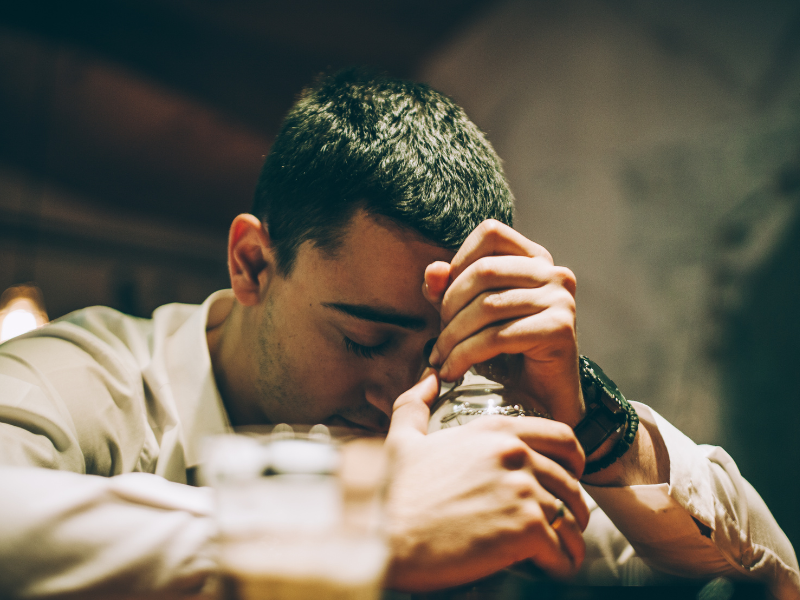

The nightcap has a glamorous reputation. Films and television are full of characters pouring a whisky before bed or finishing an evening with one last glass of wine. For many people, a drink at the end of the day feels like the perfect way to switch off and drift into sleep.
Science tells a more complicated story. Alcohol can help people fall asleep faster, but it tends to make the rest of the night worse. Public awareness of alcohol’s health effects is also growing. Gallup’s 2026 survey found that 86% of American adults had heard at least something about recent research on drinking and long-term health. For most people, rethinking the nightcap is a simple change. For a smaller number, the nightly drink has become something they cannot skip, and outpatient support or a longer stay at a luxury rehab or other structured programme may become part of the answer. Here is what alcohol actually does to a night’s rest.
Why a Drink Feels Like It Helps
Alcohol has sedative effects, which is why it can make people feel drowsy. A 2013 review published in Alcoholism: Clinical and Experimental Research by Irshaad Ebrahim and colleagues at the London Sleep Centre examined studies on alcohol and sleep in healthy adults. It found that alcohol generally shortens the time it takes to fall asleep and can deepen sleep during the first half of the night.
That early effect is what gives the nightcap its reputation. Unfortunately, the second half of the night often tells a different story.
Five Things Alcohol Does to a Night’s Sleep
Research on alcohol and sleep has identified several effects that can leave people feeling more tired, not less, the following morning.
- It disrupts the second half of the night. The 2013 review found that as the body processes alcohol, sleep in the second half of the night tends to become more disrupted, with more waking and lighter sleep.
- It reduces REM sleep. The same review found that alcohol can reduce rapid eye movement sleep, the stage linked to dreaming and memory processing, particularly at higher doses.
- Its sleep-inducing effect fades with regular use. Research summarised by the National Institute on Alcohol Abuse and Alcoholism has found that tolerance to alcohol’s sedative effects can develop quickly. Over time, people may feel they need more to get the same drowsy effect.
- It can worsen snoring and breathing problems. Alcohol relaxes the muscles of the upper airway, which can make snoring and sleep-related breathing problems such as sleep apnoea worse.
- It can lead to more night-time bathroom trips. Alcohol acts as a diuretic, increasing urine production, which can interrupt sleep further.
Together, these effects explain why many people wake up after a night of drinking feeling unrested, even if they fell asleep quickly.
When a Nightcap Becomes a Habit
Because tolerance builds, a nightly drink can slowly turn into two or three. Some people find they can no longer fall asleep without it, and that skipping it leaves them restless or anxious. This pattern can quietly become a dependence on alcohol for sleep.
Signs worth paying attention to include needing more alcohol to feel sleepy, feeling unable to sleep on nights without a drink, waking frequently through the night, or feeling persistently tired despite spending enough time in bed. If these sound familiar, it is worth speaking with a doctor about both sleep and drinking habits.
Healthier Ways to Wind Down
Good sleep habits often work better than a nightcap in the long run. A consistent bedtime and wake time, a cool and dark bedroom, limiting screens before bed, and avoiding caffeine late in the day all support healthier sleep. A warm caffeine-free drink, reading, gentle stretching, or a few minutes of quiet breathing can create a calming ritual without disrupting the night.
For people in the UK, the Chief Medical Officers’ guidelines advise not regularly drinking more than 14 units a week, spread over three or more days. Keeping some evenings completely alcohol-free can also make it easier to notice how much better sleep feels without it.
When to Seek Help
Ongoing insomnia, loud snoring with pauses in breathing, or difficulty cutting back on drinking are all good reasons to see a doctor. Anyone who drinks heavily every day should get medical advice before stopping, because alcohol withdrawal can be dangerous.
Final Thoughts
The nightcap may look elegant on screen, but the science suggests it is not the sleep aid it appears to be. Alcohol might help you drift off, yet it often costs you the deeper, more restful sleep your body needs. Swapping the evening drink for a calmer routine could be one of the simplest ways to wake up feeling better.
Frequently Asked Questions (FAQs)
1. Does alcohol help you sleep?
It can help you fall asleep faster, but research shows it tends to disrupt sleep in the second half of the night and can reduce REM sleep, leaving many people less rested overall.
2. Why do I wake up in the middle of the night after drinking?
As the body processes alcohol, sleep often becomes lighter and more fragmented. Alcohol’s diuretic effect can also lead to more trips to the bathroom during the night.
3. Can drinking make snoring worse?
Yes. Alcohol relaxes the muscles of the upper airway, which can worsen snoring and sleep-related breathing problems such as sleep apnoea.