
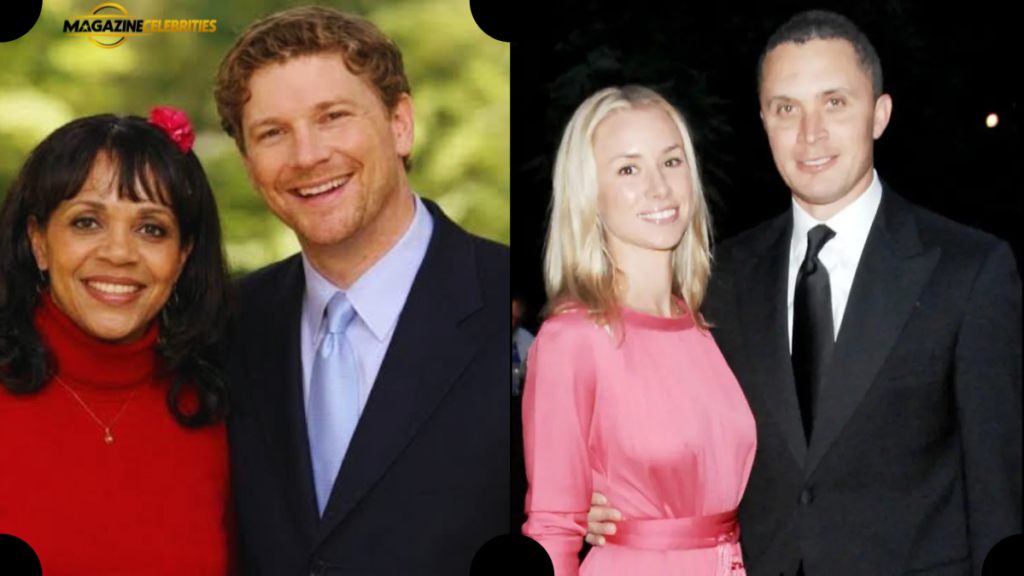

Dorothy Bowles Ford is a name closely connected with one of Tennessee’s best-known political families. Although she never held elected office herself, her life became linked to American politics through her marriage to Harold Ford Sr. and her role as the mother of former U.S. Representative Harold Ford Jr. Unlike the better-known members of the Ford family, Dorothy has generally maintained a private life away from the cameras.
What makes Dorothy Bowles Ford particularly interesting is the contrast between her public connections and her personal approach to life. Her former husband spent more than two decades in Congress, while her eldest son later followed the same political path. Dorothy, meanwhile, built a professional life of her own and concentrated much of her attention on family and personal responsibilities.
Reliable information about Dorothy is more limited than information about her famous relatives. Congressional records provide some of the clearest evidence about her marriage and children, while later biographies of Harold Ford Jr. offer additional insight into her role as his mother. Because many websites repeat unverified personal details, it is important to separate documented information from claims that cannot be confidently established.
Who Is Dorothy Bowles Ford?
Dorothy Bowles Ford is best known publicly as the former wife of Harold Eugene Ford Sr. and the mother of Harold Ford Jr. Her family became an important part of Tennessee’s political history, particularly in Memphis, where Harold Ford Sr. established a long congressional career. Government records identify Dorothy as the mother of the Ford children and connect her directly to this influential political family.
Dorothy’s story is different from that of her husband and son because she did not seek a political career herself. Instead, she maintained a lower profile while supporting her family and pursuing professional responsibilities. Her relative privacy has made her a subject of curiosity for people who want to understand the family background behind Harold Ford Jr.’s public career.
Another important point is that Dorothy should not be defined only through her famous relatives. Being married to a congressman and being the mother of another congressman brought her into a political environment, but that does not mean politics was her entire identity. The available record indicates that she had her own working life and responsibilities outside elected government.
Dorothy Bowles Ford and Harold Ford Sr.
Dorothy Bowles Ford married Harold Eugene Ford Sr. in 1969. At the time, Ford Sr. was building the career that would eventually take him from Tennessee state politics to the United States House of Representatives. The 1995 Congressional Directory confirms the marriage and lists their three children as Harold Jr., Newton Jake, and Sir Isaac.
Harold Ford Sr. became a significant figure in Tennessee politics. He represented Tennessee’s 9th Congressional District in the U.S. House beginning in 1975 and remained in Congress until 1997. His career made the Ford family particularly prominent in Memphis and helped establish a political legacy that his eldest son would later continue.
For Dorothy, being married to a long-serving congressman meant living alongside the demands of public service and political life. Congressional families often experience pressures that are not visible to voters, including frequent travel, campaign activity, public appearances, and demanding schedules. Dorothy’s role within that family environment was significant even though she was not herself an elected official.
Her Children and Family Life
Dorothy Bowles Ford and Harold Ford Sr. had three sons: Harold Eugene Ford Jr., Newton Jake Ford, and Sir Isaac Ford. This information is among the better-documented aspects of Dorothy’s family history because contemporary congressional records specifically identify the children.
Her eldest son, Harold Ford Jr., became the most publicly recognized of the three. Born in Memphis in 1970, he eventually followed his father into national politics. He represented Tennessee in the U.S. House from 1997 to 2007, becoming part of an unusual political succession in which father and son represented the same Memphis-centered district in different periods.
Dorothy’s other two sons have maintained considerably lower public profiles. Because they have not received the same level of national attention as Harold Ford Jr., comparatively little verified biographical information is available about them. That difference is worth noting because internet biographies sometimes present highly specific details about the Ford family without clearly identifying reliable sources.
Dorothy Bowles Ford’s Role in Harold Ford Jr.’s Early Life
Harold Ford Jr.’s childhood was strongly influenced by politics, largely because of his father’s congressional career. Government historical material records that Ford Jr. was the eldest son of Harold Eugene and Dorothy Bowles Ford and that he was born in Memphis in 1970.
One particularly revealing story comes from Ford Jr.’s childhood. According to congressional historical material, he attended his father’s swearing-in ceremony when he was four years old and expressed an early desire to follow his father’s path. His mother’s recollection of that moment has become part of the historical record surrounding his political upbringing.
Dorothy’s influence therefore existed in an environment where public service was already part of everyday family life. She was not the politician in the household, but she was an important part of the family structure surrounding a young boy who would eventually become a congressman himself. Her role illustrates how political careers can be shaped not only by campaigns and elections but also by family experiences during childhood.
Her Professional Life
Dorothy Bowles Ford also had a professional identity separate from her marriage. Congressional biographical material about Harold Ford Jr. identifies his mother as a longtime employee of the U.S. Department of Agriculture. That detail is particularly useful because it comes from an official government publication rather than from an unsourced celebrity biography.
Her professional career is important because it challenges the simplistic image of Dorothy as merely a politician’s wife. She was a working woman who maintained employment while raising a family connected to a demanding political career. That combination required organization, commitment, and the ability to manage responsibilities that extended beyond the public spotlight.
There are also online claims that Dorothy worked for other organizations or held particular positions in the Washington area. However, not every version of her biography provides dependable evidence for those details. The safest approach is to rely on information that can be traced to congressional or otherwise credible records rather than repeating every claim found on biography websites.
Life During the Ford Family’s Political Rise
The Ford family’s political prominence grew significantly during the years Dorothy was raising her children. Harold Ford Sr.’s congressional career placed the family at the center of Tennessee’s political world, while his work in Washington introduced another dimension to family life.
For a child growing up in that environment, politics was not simply something discussed on television. It was part of the family’s everyday experience. Harold Ford Jr. later demonstrated how deeply those experiences influenced him. His education, early work, and eventual political career all developed against the background of his father’s public service.
Dorothy’s contribution to that family story was quieter. She was not delivering speeches or appearing on campaign posters as a candidate, but she was part of the household that supported a family whose name became increasingly recognized in American politics. Her importance is therefore best understood through the broader family history rather than through a long list of public appearances.
Marriage, Divorce, and a More Private Life
Dorothy Bowles Ford’s marriage to Harold Ford Sr. eventually ended in divorce. Congressional and biographical records place the end of their marriage in 1999, after several decades together.
The end of a marriage involving a prominent political family naturally attracts public curiosity, but detailed personal explanations should not be presented as fact without reliable documentation. Much of what appears online about private relationships is based on repetition rather than evidence. Dorothy’s own limited public presence makes it especially important not to turn speculation into biography.
After the divorce, Dorothy largely remained outside national political attention. That choice helped preserve the private character that has distinguished her from other members of the Ford family. While her former husband and son continued to attract public interest, Dorothy’s life became considerably less visible.
Why Dorothy Bowles Ford Still Attracts Attention
Interest in Dorothy Bowles Ford largely comes from the unusual political history of her family. Her former husband served for many years in Congress, and her son later became a member of the same institution. That connection gives Dorothy a place in the background of a political story spanning two generations.
Harold Ford Jr.’s career has also kept interest in his family alive. He served in Congress from 1997 to 2007 and later developed a career in finance, media, and political commentary. Official historical material continues to identify Dorothy as his mother, making her an important part of his documented biography.
There is also a broader reason people search for Dorothy’s name. Public figures are often surrounded by relatives whose lives receive far less attention. Readers naturally become curious about the people who helped shape those public figures before they became nationally known. Dorothy represents exactly that kind of story: a private individual connected to a very public family.
What Is Known and What Remains Unclear?
One of the most important things to understand about Dorothy Bowles Ford is that her biography is not extensively documented. Her connection to Harold Ford Sr., her three sons, and her employment history are among the details that can be supported by stronger records. Other information repeated online should be approached more cautiously.
For example, numerous websites publish precise claims about Dorothy’s birth year, education, current residence, personal wealth, or later relationships. These details are not consistently supported by authoritative sources. A responsible biography should not present such claims as established facts simply because they appear on several websites.
This distinction matters because repetition does not automatically make information reliable. Dorothy has lived much of her life outside the public spotlight, so there is naturally less verified material available about her than there is about her former husband or son. In her case, acknowledging what is unknown is just as important as describing what can be confirmed.
Dorothy Bowles Ford’s Legacy
Dorothy Bowles Ford’s legacy is closely connected to family, professional responsibility, and privacy. She became part of a political family without becoming a politician herself. Her former husband played a major role in Tennessee’s congressional history, while her son later continued the family’s presence in national politics.
Her story also highlights the less visible side of political families. Public office tends to focus attention on the person holding the position, but family members often provide support and stability away from public view. Dorothy’s life demonstrates how someone can have an important place in a major political story without seeking public recognition.
Ultimately, Dorothy Bowles Ford remains a relatively private figure whose significance comes from both her own professional life and her connection to two generations of political leadership. Her story is best told carefully, using documented information while avoiding unsupported claims. That approach makes her biography more meaningful because it respects the distinction between what is known about her life and what remains private.
Frequently Asked Questions About Dorothy Bowles Ford
Who is Dorothy Bowles Ford?
Dorothy Bowles Ford is the former wife of longtime Tennessee congressman Harold Ford Sr. and the mother of former U.S. Representative Harold Ford Jr. She has generally maintained a private life outside politics.
How many children does Dorothy Bowles Ford have?
Dorothy Bowles Ford and Harold Ford Sr. had three sons: Harold Ford Jr., Newton Jake Ford, and Sir Isaac Ford. The family details are documented in congressional records.
Was Dorothy Bowles Ford a politician?
No. Dorothy Bowles Ford did not serve as an elected politician. Her public recognition largely comes from her family connections, while her own professional life included employment with the U.S. Department of Agriculture.
Who was Dorothy Bowles Ford married to?
She was married to Harold Eugene Ford Sr., the longtime Tennessee congressman who represented the Memphis-centered 9th Congressional District. They married in 1969 and later divorced in 1999.
Is Dorothy Bowles Ford still alive?
There is no strong, authoritative public record in the available sources establishing a death date for Dorothy Bowles Ford. Because she has maintained a private life, claims about her current circumstances should be treated cautiously unless supported by reliable documentation.
What was Dorothy Bowles Ford’s job?
Official congressional material identifies Dorothy as a longtime employee of the U.S. Department of Agriculture. Some online sources attribute additional jobs to her, but those claims are not equally well documented.
Conclusion
Dorothy Bowles Ford may not have held political office, but her life is closely connected to an important chapter of American political history. As the former wife of Harold Ford Sr. and mother of Harold Ford Jr., she belonged to a family that produced two generations of congressional leadership from Tennessee.
At the same time, Dorothy’s own story deserves to be considered separately from the accomplishments of the men in her family. She worked, raised three sons, and maintained a comparatively private existence while living alongside a prominent political career. That quiet role offers a different perspective on the Ford family’s history.
The most accurate picture of Dorothy Bowles Ford is therefore not one built around rumors or unsupported personal details. It is the story of a private woman whose documented family and professional connections place her within a notable American political legacy. Her preference for staying out of the spotlight may be precisely what makes her story distinctive.