
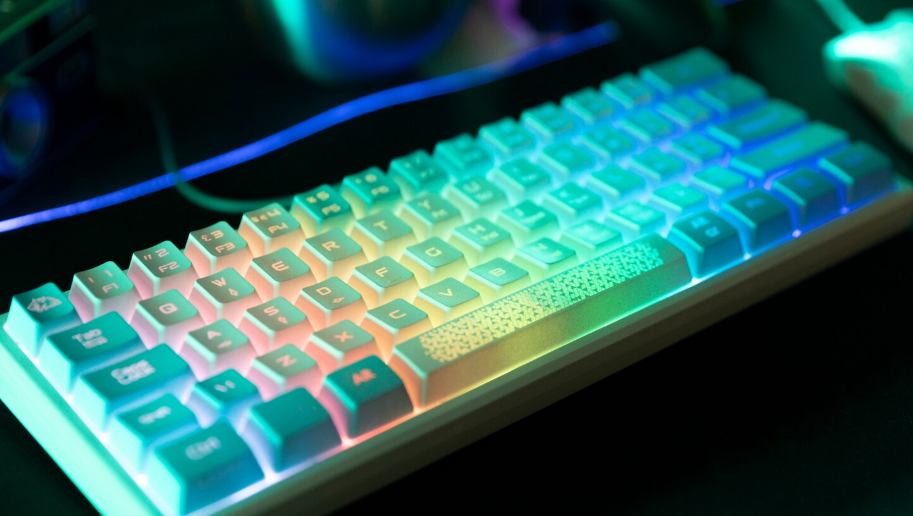

Mechanical keyboards have captivated tech enthusiasts and professionals alike, thanks to their distinct tactile feedback and unmatched durability. One prime example is the Razer mechanical keyboard, an epitome of engineering prowess designed for gamers who demand precision and reliability. This piece of technology seamlessly combines aesthetic appeal with functional finesse, making it a staple in the world of high-performance keyboards.
The Evolution of Keyboards
The transition from typewriters to electronic keyboards marked a significant technological evolution. Mechanical keyboards, with their individual switches for each key, stand out due to their superior build quality compared to membrane keyboards, which rely on pressure pads. The resurgence in interest is driven by professionals seeking longevity and precise tactile feedback.
A mechanical keyboard’s durability is primarily attributed to its robust construction. Each key operates independently via a mechanical switch, which can withstand millions of key presses. This construction starkly contrasts with membrane keyboards that often succumb to wear and tear over time, compromising performance.
Types of Mechanical Switches
Mechanical keyboards are distinguished by the variety of switches they use. Switches are the mechanisms beneath each keycap that register keystrokes. They come in three main types: linear, tactile, and clicky. Linear switches provide smooth keystrokes without tactile feedback, making them ideal for rapid typing. Tactile switches offer a bump mid-press, signalling that the key has been activated, providing a balance between speed and accuracy. Clicky switches, on the other hand, provide an audible click with each keystroke, signalling precise actuation and often preferred by typists who enjoy auditory feedback.
One of the most popular switch brands is Cherry MX, renowned for its reliability and variety. However, other brands like Razer have developed proprietary switches to cater to specific needs. Razer mechanical switches, for example, are designed to enhance gaming performance with various actuation and reset points to maximise efficiency.
The Benefits of Mechanical Keyboards
The benefits of mechanical keyboards extend beyond the tactile nature of the keys. Their customisability is another compelling feature, allowing users to tailor their experience. Keycaps can be replaced with different materials, colours, and textures to suit personal preferences and improve ergonomics. This adaptability not only enhances user comfort but also enables them to create aesthetically pleasing workspaces.
Mechanical keyboards are also celebrated for their longevity. The high-quality mechanical switches last significantly longer than those in other types of keyboards, reducing the need for frequent replacements. This long-term cost efficiency makes them an appealing choice for heavy computer users, including gamers and developers.
The Role of Mechanical Keyboards in Professional and Gaming Environments
In professional settings, mechanical keyboards contribute to improved typing speed and accuracy. The tactile feedback offers keystroke assurance, resulting in fewer errors and increased productivity. For writers and programmers, the ability to type rapidly with minimal mistakes is invaluable.
In gaming environments, the precision that mechanical keyboards offer can be the difference between victory and defeat. The ability to register multiple key presses simultaneously, a feature known as n-key rollover, is critical during high-stakes gaming sessions. Additionally, the switch response time and actuation speed are crucial for executing commands swiftly and accurately.
Brands like Razer have made significant strides in the gaming arena by developing keyboards that meet these needs. With features such as customizable backlighting and programmable keys, Razer keyboards enhance the gaming experience. The strategic design and responsive keys provide a tangible advantage to users, making it a preferred choice among competitive gamers.
Exploring the Customisation of Mechanical Keyboards
Customisation is a hallmark of the mechanical keyboard community. Enthusiasts often pursue bespoke builds, sourcing individual components to create unique keyboards. Customising switches, keycaps, and cases allows users to build a keyboard that not only performs well but also reflects personal style.
The choice of material for keycaps can dramatically affect the feel and sound of keystrokes. Popular materials include ABS, PBT, and POM, each with distinct characteristics. PBT keycaps, for example, are known for their durability and resistance to shine, making them a popular choice.
The demand for custom keycap sets, often showcasing artistic designs, has led to a thriving market within the mechanical keyboard community. Enthusiasts and creators collaborate to design keycaps that turn functional devices into works of art.
The Technology Behind Mechanical Keyboards
The technological innovation in mechanical keyboards is driven by continuous improvement in switch design. Recent developments focus on enhancing durability, reducing actuation force, and improving switch stability. Manufacturers explore new materials and lubrication techniques to refine the keystroke experience.
Another area of innovation is the integration of smart technology. Some mechanical keyboards feature programmable macros, allowing users to execute complex commands with a single key press. This feature is particularly beneficial for gaming and professional applications, where efficiency is key.
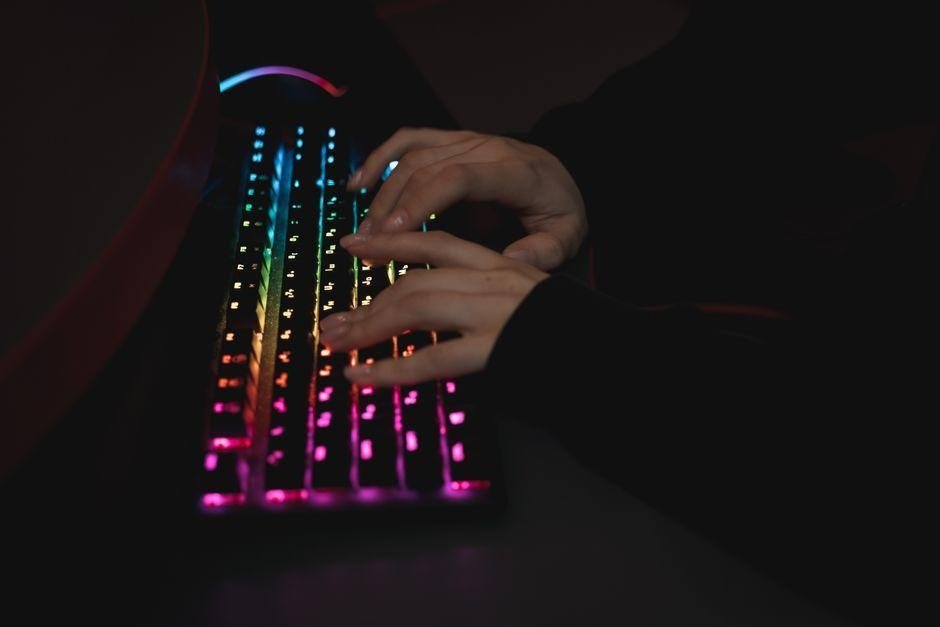
Backlighting technology has also progressed significantly, with RGB lighting becoming a standard feature. This allows users to customise the aesthetic of their keyboards with millions of colour combinations, creating visually stunning effects.
The Community and Culture of Mechanical Keyboards
The mechanical keyboard community is a vibrant and inclusive space that celebrates both technical mastery and creativity. Keyboard enthusiasts actively participate in forums, sharing insights and advice on everything from the best switches to the latest trends in keycap design.
This community culture fosters collaboration and innovation. Enthusiasts often come together to support group buys—bulk orders for custom components not available through traditional retail channels. This collaborative spirit drives the hobbyist aspect of the culture, where participation enhances the diversity and reach of mechanical keyboard designs.
Mechanical keyboards are frequently showcased at conventions and meet-ups, where enthusiasts exchange ideas and display their unique creations. These gatherings serve as a platform for networking and inspiration, further fueling the passion for mechanical keyboards.
Mechanical keyboards represent a fusion of functionality, durability, and customisability, making them an indispensable tool for both professionals and gamers. Their precise engineering, paired with the capability to personalise aesthetics and functionality, positions them as a superior choice for those who spend significant time at a computer. As technology continues to evolve, mechanical keyboards will undoubtedly remain at the forefront of innovation, offering new dimensions of performance and design.