
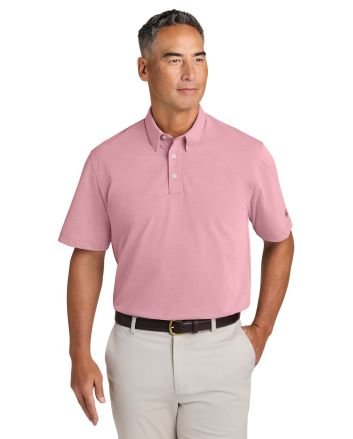

School uniforms have changed considerably over the years. Many schools that once required stiff button-up shirts, ties and blazers have moved toward more practical clothing. Among the most common replacements is the polo shirt.
Polo shirts are now part of uniforms at many primary schools, secondary schools, academies and after-school programs. They look tidy, feel comfortable for active school days, and are easier for families to care for than traditional dress shirts.
But choosing polos for a school uniform involves more than picking a color. Schools must consider comfort, durability, cost, inclusivity, seasonal needs, and how the uniform reflects the school’s identity. This article explores the role of polo shirts in school uniforms, how different groups experience them, and what makes a polo uniform successful.
Understanding Why Schools Choose Polos
Practicality
Children and teenagers are active. They run at break time, play sports, sit for long lessons, and carry heavy bags. Polos allow more movement than formal shirts.
Easy Care
Polos generally require less ironing than button-up shirts and tolerate frequent washing, which matters to busy families.
A Tidy Appearance
The collar gives polos a neater look than T-shirts, helping students appear presentable while staying comfortable.
Cost
Polos can be more affordable than traditional uniform shirts, especially when purchased in quantity through school uniform programs.
How Students Experience Polo Uniforms
Comfort
Students spend most of the day in their uniform. Comfortable fabrics, soft collars, and a good fit help them focus on learning rather than on uncomfortable clothing.
Freedom of Movement
Polos make it easier for students to take part in play, practical lessons and physical activities.
Feeling Part of the School
Wearing the same uniform as classmates can create a sense of belonging and school identity.
Sensory Considerations
Some students are sensitive to scratchy fabrics, tags, or tight collars. Soft, smooth fabrics and tagless designs can make uniforms more comfortable for them.
Smooth-finish fabrics are often popular in school settings for this reason. Many uniform programs include silk touch polos, which are available in youth sizes and offer a soft, smooth feel along with resistance to wrinkles and fading that suits daily school wear.
How Parents Experience Polo Uniforms
Ease of Laundry
Parents value uniforms that wash easily, dry quickly, and need little or no ironing.
Durability
School uniforms face heavy wear. Parents appreciate polos that hold their color and shape through many washes.
Cost
Families with several children often buy many uniform items each year. Affordable, durable polos help manage costs.
Sizing as Children Grow
Children grow quickly. A clear size range and availability of replacement sizes throughout the year matter to parents.
How Teachers and Staff Experience Polo Uniforms
Classroom Presentation
Teachers often see polos as a good balance between neatness and practicality. Students look tidy without the constant adjusting associated with formal shirts and ties.
Staff Uniforms
Some schools also provide polos for staff, particularly physical education teachers, support staff, coaches, and caretakers. This helps staff look professional and makes them easy to identify on school grounds and during trips.
How Administrators Experience Polo Uniform Programs
Setting Standards
Administrators must decide on colors, logos, and acceptable variations. Clear standards help maintain a consistent appearance.
Supplier Relationships
Schools often work with uniform suppliers to ensure parents can buy correct items easily. Consistency of color and style over many years is important.
Inclusivity and Fairness
Uniforms can reduce visible differences between students’ clothing. Administrators also consider affordability and support for families who may struggle with costs.
Planning for the School Year and Seasons
Warm Months
Short-sleeve polos suit warmer weather and active days.
Cooler Months
In colder seasons, students may need extra warmth. Many schools allow long-sleeve polos or require sweaters and cardigans over polos.
Schools in regions with cold winters often add long-sleeve options to their uniform lists. Uniform suppliers and school stores frequently stock wholesale long sleeve polos in school colors so families can choose warmer shirts for winter terms without breaking the uniform’s consistent look.
Layering
Polos work well under sweaters, fleece jackets, and blazers, making them adaptable throughout the year.
Polos for Physical Education and School Sports
Many schools use polos not only for everyday uniforms but also for physical education staff, sports teams and school trips.
PE Teachers and Coaches
Physical education teachers and coaches often wear polos in school colors. This helps students identify them during lessons, sports days and matches, and it gives staff a professional appearance when representing the school at fixtures.
Sports Teams
Some school teams wear polos for travel or off-field team presentations, such as award ceremonies and photographs. Matching polos help teams look organized and proud when representing the school.
School Trips
On trips to museums, parks, or other schools, matching polos make it easier for teachers to keep track of students in crowded places. Brightly colored polos can be particularly useful for younger students.
Choosing Fabrics for Active Use
Polos used for sport and physical activity benefit from breathable, moisture-managing fabrics. These help students and staff stay comfortable during active sessions and outdoor events.
The Role of Uniform Suppliers
Uniform suppliers play an important role in the success of a school polo program. They help schools choose styles, manage logo embroidery, maintain stock, and ensure that colors remain consistent across years.
Good suppliers provide clear size charts, reliable stock levels before the start of term, and easy ways for parents to order. Some offer online ordering, in-school fitting days or partnerships with local shops. Schools that maintain strong relationships with their suppliers are better able to keep uniforms consistent and accessible for families.
Sustainability and Reuse
Many schools are paying closer attention to sustainability. Because children outgrow uniforms quickly, polos that remain in good condition can be passed down or resold through second-hand programs.
Choosing durable polos that hold their color and shape makes reuse easier. Keeping the same uniform design for many years also supports reuse, since older items remain acceptable. These approaches can reduce waste and help families save money.
Important Elements of a School Polo
Fabric
Blends and smooth-finish synthetics often resist wrinkles and fading. Cotton feels soft but may shrink or fade more quickly.
Color
Schools often choose colors that reflect their identity. Darker colors hide stains but may fade; lighter colors look fresh but show marks more easily.
Logo
An embroidered school crest on the left chest is common. It should be durable enough to withstand frequent washing.
Fit and Sizing
Offer a full range of youth and adult sizes, and consider different fits for older students.
Collar Quality
Collars that keep their shape help students look neat throughout the day.
Practical Ways to Implement a Polo Uniform
Consult the School Community
Gather input from parents, students, and staff on comfort, cost, and appearance.
Test Samples
Have a few students wear sample polos for several weeks to test comfort and durability.
Provide Clear Guidelines
Publish clear uniform guidelines, including approved colors, styles, and where to buy items.
Support Affordability
Consider second-hand uniform programs, financial assistance, or affordable options for families.
Plan Stock Availability
Ensure suppliers keep sufficient stock, especially before the start of the school year.
Common Mistakes in School Polo Programs
Choosing Fabrics That Fade Quickly
Faded polos make uniforms look inconsistent.
Ignoring Comfort
Scratchy or stiff fabrics can make students uncomfortable and less willing to follow uniform rules.
Limited Size Ranges
Not offering enough sizes can cause problems for students of different builds.
Frequent Design Changes
Changing colors or logos often forces families to buy new uniforms unnecessarily.
Overlooking Seasonal Needs
Uniforms that only suit warm weather can leave students cold in winter.
Communicating With Families
Clear communication helps families manage uniform requirements without stress. Schools often publish a uniform guide each year showing approved items, colors and where to purchase them. Including photographs of correctly worn uniforms removes guesswork.
Reminders before the start of each term give parents time to check sizes and replace outgrown items. Schools introducing changes to their uniform should announce them well in advance and, where possible, allow a transition period so families can continue using existing polos until they are outgrown.
Why Polo Uniforms Matter
School uniforms shape students’ daily experience. A comfortable, practical uniform helps students focus, move freely, and feel part of their school community. For parents, it reduces laundry stress and costs. For schools, it supports a consistent identity and a sense of equality.
Polo shirts have become a popular choice because they balance neatness, comfort, durability, and affordability.
Conclusion
Polo shirts play an important role in many school uniforms. Students benefit from comfort and freedom of movement. Parents appreciate easy care and durability. Teachers and staff value a neat but practical appearance. Administrators gain a consistent, affordable uniform that reflects the school’s identity.
By choosing suitable fabrics, offering seasonal options, providing full size ranges, consulting the school community, and avoiding common mistakes, schools can create polo uniforms that work well throughout the year.
FAQs:
Q1:Why do schools use polo shirts in uniforms?
Polos are comfortable, easy to care for, more affordable than formal shirts, and look neater than T-shirts.
Q2:Are polo shirts suitable for winter school uniforms?
Yes, especially long-sleeve polos or polos layered under sweaters, cardigans or fleece jackets.
Q3:What fabric is best for school polos?
Blends and smooth-finish synthetics often resist wrinkles and fading, making them practical for daily school wear.
Q4:How can schools make uniforms more affordable?
Schools can choose durable polos, keep designs consistent over time, offer second-hand programs, and provide financial support where needed.