
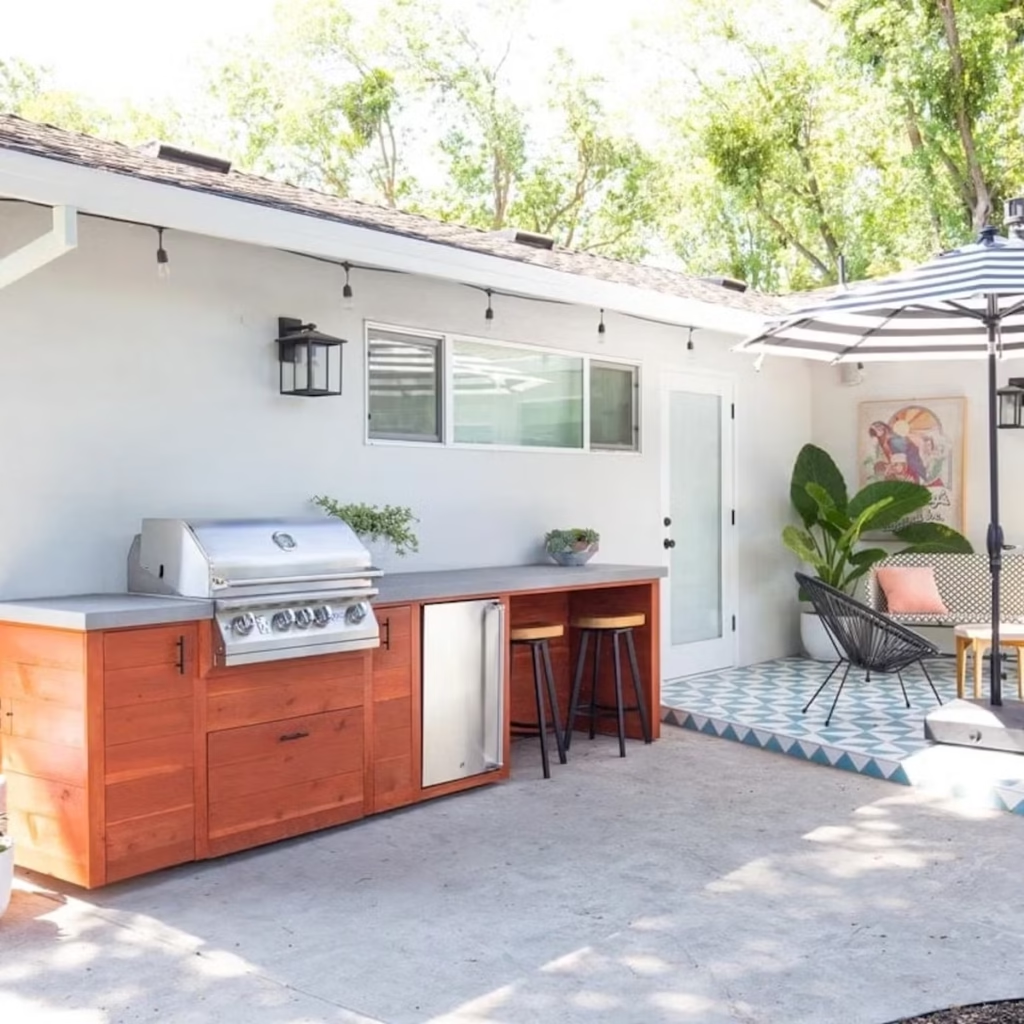

An outdoor cooking space can turn an ordinary backyard, patio, or garden into a welcoming place for preparing meals and spending time with family and friends. Whether you enjoy weekend barbecues, grilled vegetables, homemade pizza, or relaxed outdoor dinners, a thoughtfully planned cooking area makes the experience more convenient and enjoyable.
Creating a useful outdoor kitchen does not necessarily require a large renovation or an expensive setup. The most important thing is choosing equipment that suits your cooking habits, available space, and lifestyle. With the right combination of cooking appliances, preparation areas, and comfortable seating, even a modest outdoor space can become a practical place to cook and entertain.
Start With Your Outdoor Cooking Needs
Before purchasing equipment, consider the types of meals you enjoy preparing. Someone who regularly cooks burgers, steaks, and grilled vegetables may need a different setup from someone who prefers homemade pizza or slow outdoor cooking.
Think about how many people you usually cook for and how often you plan to use the space. A small household may only need a compact grill and a preparation table, while someone who frequently hosts guests may benefit from a larger cooking area with multiple appliances.
It is also useful to consider whether you want a permanent outdoor kitchen or a flexible arrangement that can be moved or stored when necessary. Understanding these requirements first can prevent unnecessary purchases and help you build a setup that remains useful over time.
Choose the Right Grill for Your Space
A grill is often the central feature of an outdoor cooking area. It provides a convenient way to prepare a wide range of meals, including meat, seafood, vegetables, and sandwiches. The right option depends on your preferred cooking style and the amount of space available.
When comparing grills, consider cooking capacity, fuel type, portability, cleaning requirements, and available cooking features. A compact model may be suitable for a balcony or small patio, while a larger cooking surface can be helpful when preparing food for several guests.
Griddles can also add flexibility to an outdoor cooking setup. Their flat cooking surfaces are useful for foods such as pancakes, eggs, burgers, chopped vegetables, and breakfast meals. If you want to compare different outdoor cooking options, explore the grills and griddles collection.
Plan the Layout Before Installing Equipment
A practical outdoor cooking area should allow you to move comfortably between cooking, food preparation, and serving. Position the grill where it can be used safely and where smoke will not create unnecessary discomfort for people sitting nearby.
Leave enough space around the cooking equipment for ventilation, access, and routine maintenance. Follow the manufacturer’s clearance and placement instructions, particularly when using gas-powered appliances. Avoid placing cooking equipment close to combustible materials, overhanging branches, or areas where children frequently play.
A preparation table can make a significant difference. It provides a place to season ingredients, arrange utensils, and organize food before cooking. If space allows, include a separate serving surface so prepared meals can be placed somewhere convenient.
Add Equipment That Supports Your Cooking Style
Once the main grill is selected, consider which additional appliances would genuinely improve your outdoor cooking experience. Buying equipment simply because it looks impressive can lead to clutter and unnecessary expense.
For example, a pizza oven may be useful if homemade pizza is a regular part of your menu. A portable stove can support outdoor meals that require pots or pans, while a griddle can make breakfast and quick meals easier to prepare.
Think about versatility. Equipment that supports several types of meals can provide more value than an appliance used only occasionally. It is also important to check the available power or fuel requirements before adding another appliance to your outdoor area.
Make Food Preparation and Storage Convenient
Cooking outdoors involves more than operating a grill. You also need a convenient way to prepare ingredients, store essential utensils, and keep the area organized.
A weather-resistant preparation table can provide a useful working surface. Keep frequently used tools such as tongs, spatulas, heat-resistant gloves, and cleaning brushes within easy reach. Store food safely and avoid leaving ingredients exposed to outdoor temperatures for extended periods.
If your outdoor area has limited storage, choose compact accessories that can be placed in a weather-resistant cabinet or brought indoors after use. Keeping the cooking area organized makes preparation faster and helps reduce unnecessary movement while handling hot equipment.
Create a Comfortable Environment for Guests
An outdoor cooking space can also become a social area. Seating, lighting, and thoughtful arrangement can make it more inviting for family meals and gatherings.
Choose seating that suits the size of your patio or garden. A small table with a few chairs may be sufficient for everyday use, while larger spaces can accommodate separate dining and relaxation areas.
Lighting is another useful addition. Proper outdoor lighting helps people move safely after sunset and makes it easier to prepare food when natural light is limited. Select lighting designed for outdoor use and install it according to the manufacturer’s instructions.
Keep Safety and Maintenance in Mind
Outdoor cooking equipment needs regular attention. Clean cooking surfaces according to the manufacturer’s recommendations and remove grease or food residue after use. Check hoses, connections, and fuel components on gas appliances before cooking.
Always operate grills and outdoor cooking appliances in locations approved by the manufacturer. Never use outdoor-only equipment inside a home, garage, or enclosed area. Keep children and pets away from hot cooking surfaces, and make sure a suitable fire extinguisher is accessible.
Routine maintenance can help equipment remain in good working condition. Cover appliances when they are cool and not in use, and store removable accessories in a clean, dry place.
Choose Equipment From a Reliable Outdoor Cooking Range
The equipment you select should match your cooking preferences rather than simply following trends. Comparing different appliances, sizes, and cooking styles can help you make a more informed decision.
For inspiration and a selection of outdoor cooking products, visit Big Horn Outdoors. Reviewing available options before purchasing can help you plan a setup that balances functionality, convenience, and available space.
Conclusion
A well-designed outdoor cooking space can make everyday meals more enjoyable and provide a welcoming setting for entertaining guests. Start by identifying your cooking needs, selecting a suitable grill, and planning a layout that allows safe and convenient movement. Add only the equipment and accessories that support the meals you actually prepare.
With thoughtful planning and regular maintenance, an outdoor cooking area can become a practical extension of your home and a place you enjoy using throughout the year.